Pilot Results

Commercial Buildings Cutting Peak Demand with Heatvelo

Three pilot cohort results from commercial building operators across the Midwest and Pacific Northwest. All buildings ran on existing BMS infrastructure — BACnet/IP or Modbus TCP integration only, no new field hardware. The success metric in every case was measurable demand charge reduction within the first billing cycle.

Case Studies

Pilot Cohort Results

Each pilot ran for 3 months. Building operators provided BMS historian access, building envelope specs, and occupancy data. Heatvelo delivered daily staging schedules via BACnet/IP push or JSON API. Demand charge reduction was measured against the same 3 billing months from the prior year.

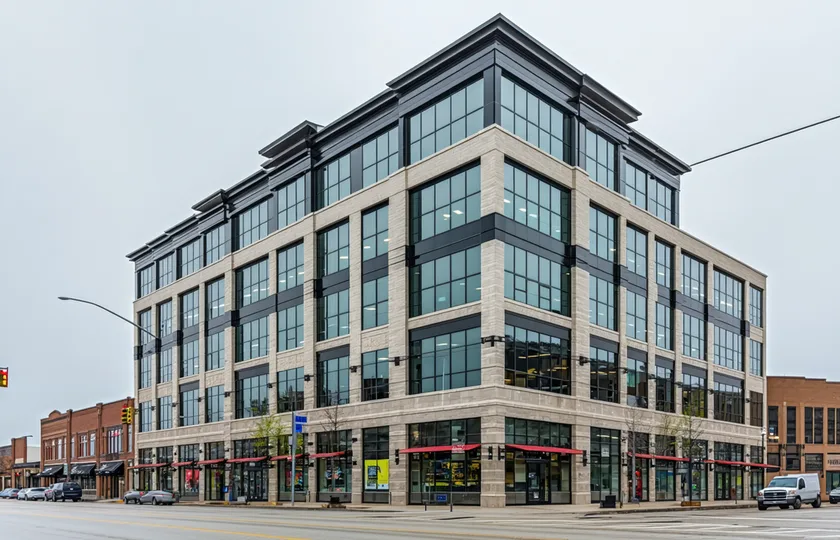
Downtown commercial office building cluster representing a managed office portfolio

Cascadia Office Partners

480,000 sq ft — 6-building downtown office portfolio, Pacific Northwest

Challenge

Peak demand charges accounting for 31% of total utility spend across portfolio. Morning pre-heat transitions driving 15-minute peak intervals.

Approach

72-hour staging schedules integrated into existing Veridian Controls BAS via BACnet/IP. One BAS controller per building updated nightly at 11 PM.

22% reduction in average monthly peak demand charge across the 6-building portfolio over the 3-month pilot period, measured against the prior-year same-period baseline
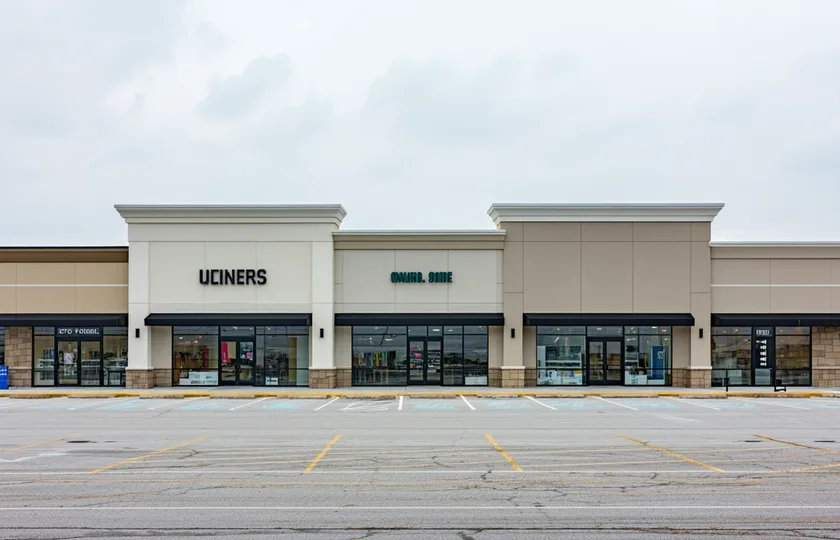
Row of commercial retail storefronts in a Midwest shopping center

Meridian Retail Group

87 Midwest retail locations — average 12,000 sq ft per store

Challenge

Over-conditioning on low-traffic days due to worst-case fixed HVAC schedules. Store managers reporting comfort issues on high-traffic days from under-conditioning.

Approach

Daily foot-traffic proxy forecast synchronized with each store's PeakSync BMS setpoint schedule. POS transaction count as occupancy input — no sensor installation required.

Pre-conditioning right-sized to actual daily traffic patterns across all 87 pilot locations — eliminated systematic over-conditioning on sub-50% occupancy days that had been inflating peak demand on low-traffic weekdays
Mixed-use commercial building with retail and office floors in urban Midwest setting

Lakeland Commercial Properties

220,000 sq ft — 8-floor mixed-use development, Minneapolis

Challenge

Multi-zone coordination complexity across retail ground floor and office upper floors with fundamentally different occupancy patterns and thermal loads.

Approach

Zone-segmented thermal model with independent staging schedules per floor cluster. Retail zones and office zones receive separate pre-cooling windows aligned to their occupancy curves.

Eliminated the cross-zone HVAC interference pattern — retail and office zones had been fighting each other's setpoint transitions, creating an afternoon demand spike that neither zone individually would have generated

From the Facilities Teams

"We had been chasing demand charges with manual BMS adjustments for two years. The Heatvelo pilot was the first time the schedule was proactive rather than reactive. The 22% reduction showed up in the first full billing cycle — that's not typical for any energy project."

Marcus Chen

Director of Facilities, Cascadia Office Partners

"The mixed-use coordination problem was something we assumed was just a cost of having retail and office in the same mechanical system. The zone-segmented approach was exactly what we needed — and the output schedule is readable enough that our building engineer could verify it made sense before enabling it."

Priya Nair

Energy Manager, Lakeland Commercial Properties

Pilot Program

Join the next pilot cohort

Heatvelo runs pilots in cohorts of 3–5 building operators. The next cohort begins Q3 2026. Three-month engagement, 1–3 buildings per operator, no new hardware. We run a 30-day backtesting period on your historical BMS data before the live forecast starts — so you know the expected MAPE range before committing to the full pilot. Measurable demand charge impact within the first billing cycle, or we explain exactly what we measured and why.

Request a Pilot