Applications

Thermal Forecasting for Every Commercial Building Type

The demand charge problem looks different across building types — morning pre-heat spikes in offices, foot-traffic variability in retail, semester transitions on university campuses, shift-pattern variability in industrial flex. The root cause is the same in each case: an HVAC system making staging decisions without a forward-looking demand estimate.

Four Building Types, One Forecasting Engine

Same pipeline, different thermal models. The envelope parameters, occupancy data source, and demand charge weighting are calibrated per building type — not applied from a generic template.

Modern glass office tower from low angle showing building facade with reflective curtain wall

Multi-Tenant Office Tower

Pain Point

Demand charges driven by morning pre-heat spikes and afternoon post-occupancy overcooling. Peak demand intervals often occur in the first 15 minutes after HVAC transitions from night setback.

Heatvelo Approach

Pre-positions setpoints 90–120 minutes before occupancy using the 72-hour forecast, avoiding the steepest demand ramp. Manages the afternoon coast-down to prevent unnecessary post-occupancy overcooling.

Peak demand reduction of 18–28% on worst-tariff intervals
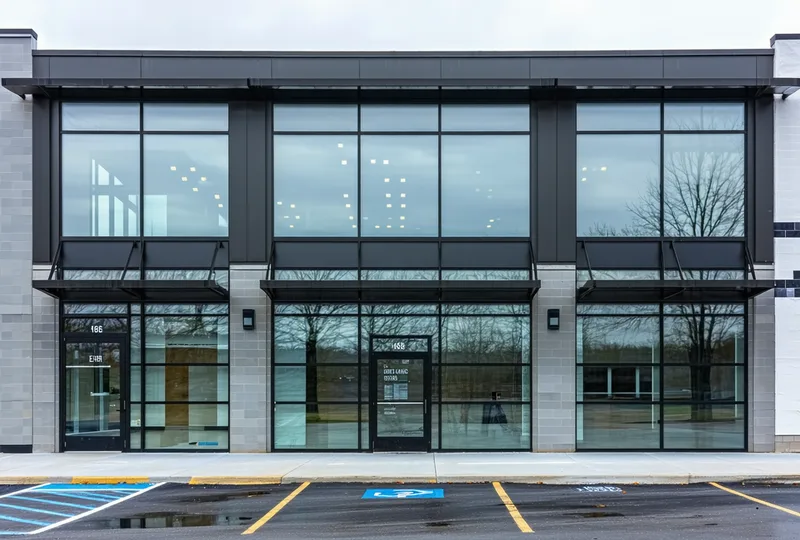
Contemporary retail strip commercial building with large glazed storefront facade

Retail Chain Portfolio

Pain Point

HVAC schedules set to worst-case occupancy to avoid comfort complaints — even on low-traffic days. Fixed schedules can't distinguish a 200-person Saturday from a 40-person Tuesday.

Heatvelo Approach

Foot-traffic forecast integrated as occupancy proxy, right-sizing HVAC pre-conditioning per store per day. POS transaction counts as the demand signal — available in every retail location already.

Consistent reduction in over-conditioning on sub-50% occupancy days
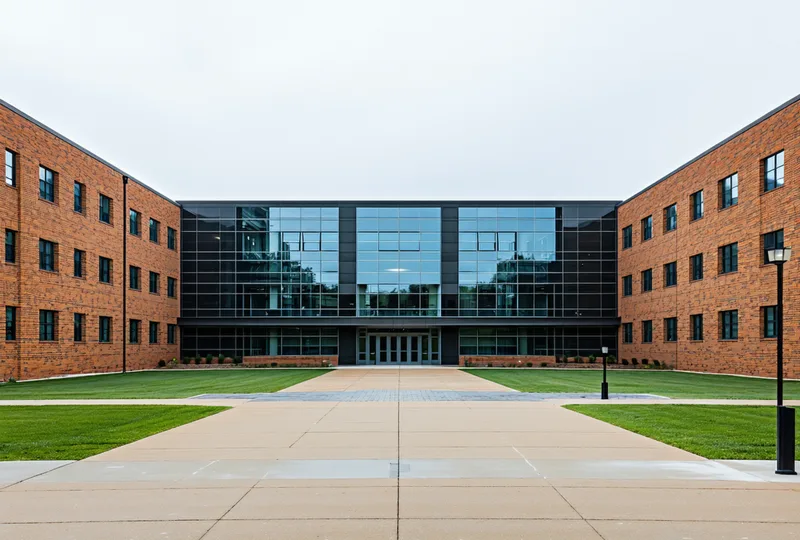
University campus academic building with modern institutional architecture and courtyard

University Campus Buildings

Pain Point

Academic calendar creates extreme occupancy swings: near-empty during breaks, packed during finals week. Standard BMS schedules can't handle semester-scale transitions or event-driven surges.

Heatvelo Approach

Calendar-aware occupancy model automatically adjusts forecast for event-driven load patterns. Finals week, move-in weekend, and graduation are pre-modeled as demand scenarios.

Demand charge normalization across semester transitions
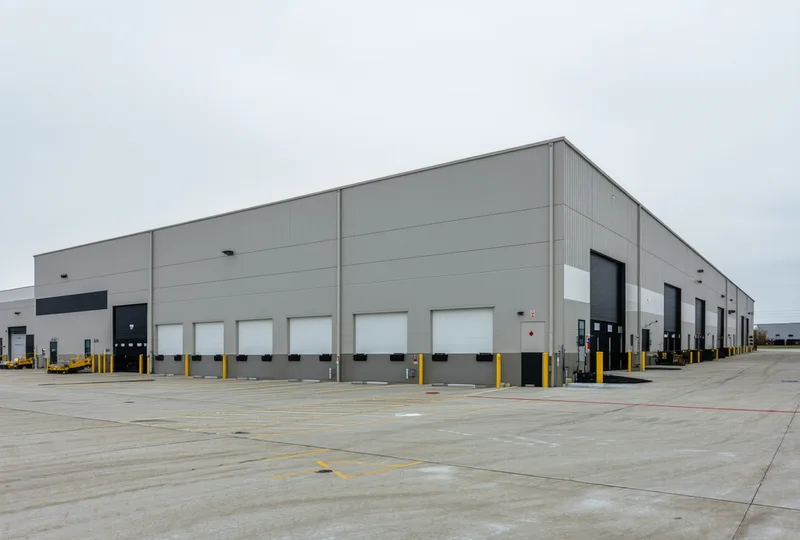
Industrial flex commercial building with loading dock and metal panel facade

Industrial and Flex Commercial

Pain Point

Variable shift schedules and sporadic equipment usage make fixed HVAC schedules counterproductive. A building running 3 shifts on Monday and 1 shift on Friday can't be served by a single weekly template.

Heatvelo Approach

Short-horizon recalibration cycles re-forecast every 6 hours based on updated production schedule inputs. Integrates with shift management or production planning systems as the occupancy data source.

Staging schedule adapts to shift changes without manual BMS reprogramming
Compatibility

Works with your existing BMS

No BMS replacement, no new field hardware. Heatvelo connects to any building automation system that exposes a BACnet/IP or Modbus TCP endpoint — which covers the vast majority of commercial BAS controllers installed over the past two decades. If your system supports ASHRAE 135 (BACnet) or Modbus TCP Function codes 03/06/16, we can integrate.

The BMS names above are synthetic examples for illustration. Contact us with your specific system model — we have not encountered a BACnet/IP or Modbus TCP controller we could not integrate with during pilot setup.